
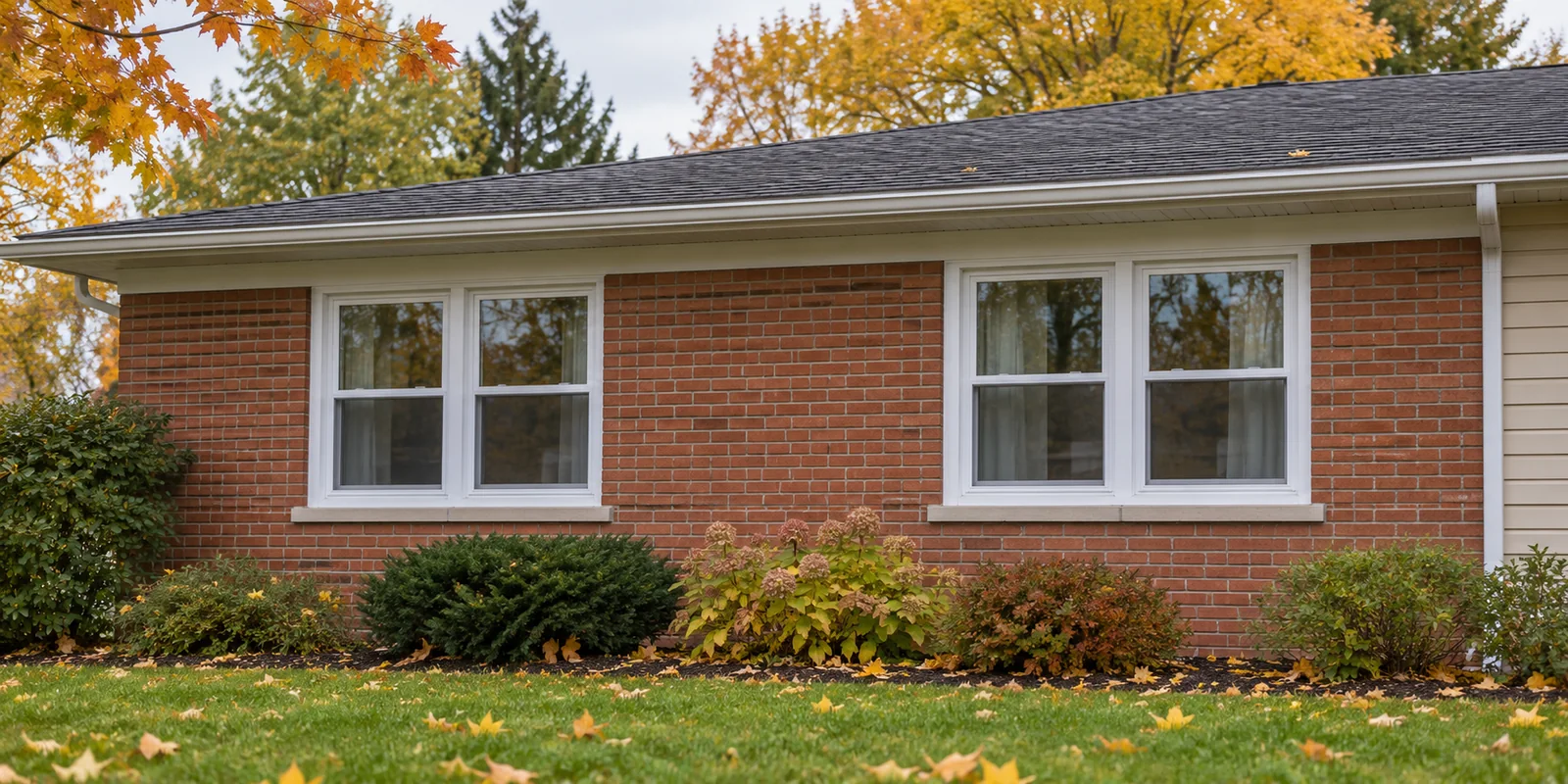
You do not necessarily need to replace every window at the same time. A phased project can be worth discussing when some openings need attention now and others are still serviceable. The useful question is not simply how many windows fit this year’s budget. It is whether each stage solves the right problems and leaves a clear plan for the windows that remain. For homeowners across Southeast Michigan, that starts with an opening-by-opening evaluation and a written scope.
Start with condition, then choose the sequence
Make a simple inventory before the estimate appointment. Give each opening a room name or number, photograph it from inside and outside, and note what you actually observe: a sash that sticks, a lock that will not engage, water staining, a persistent draft, or cloudy glass. Record when the problem appears rather than guessing at its cause.
Ask the evaluator to separate urgent problems from planned improvements. Active water entry, loose components, or a window that cannot be secured should not be put at the end of the list just to keep a matching group together. A wet sill also deserves investigation of the surrounding wall and exterior details; replacing the window alone may not address the source.
Some sound windows may benefit from maintenance or air sealing rather than immediate replacement. The Department of Energy’s homeowner weatherization guidance includes caulking and weatherstripping among options for windows in good condition. An evaluation should explain which approach fits your opening.
Compare drafts, surface condensation, and fogging between panes
Read DOE homeowner weatherization guidance
Group windows for a reason you can explain
Once immediate concerns are addressed, compare sensible groups: a frequently used room, several windows with similar condition, or a visible set on the same side of the home. A front elevation may be a useful group when appearance matters, but it should not outrank unresolved water damage elsewhere.
Consider a hypothetical brick ranch with two difficult-to-operate bedroom windows, a matching living-room pair, and several functioning rear windows. A first-stage proposal might address the bedroom concerns while documenting the living-room specifications for later. Another house could need a different order. This is a planning example, not a DeWitt project or a recommendation for an unseen home.
- Identify what each stage is intended to solve.
- List the openings included and those deliberately deferred.
- Ask what would make a deferred opening need earlier attention.
- Keep a photo and condition note for every opening, including those not being replaced yet.
Create a specification record for future phases
“White double-hung” is not a complete specification. Before ordering the first stage, record the manufacturer, product series, operating style, frame finish, glass option, grid pattern if any, hardware finish, screen selection, and interior and exterior trim details. Save the approved order and product labels with your project paperwork.
For adjacent windows, compare frame proportions, visible glass area, meeting-rail alignment, and the appearance of the glass as well as color. Ask to see samples when available. Products and finishes can change over time, so do not assume a later order will be an exact match. Discuss that risk before separating a prominent matched set into different phases.
Keep installation scope consistent where it should be
Phasing describes when work happens; it does not define how a window is installed. Each opening still needs a justified installation method. One sound frame may be suitable for an insert, while another opening may need broader removal and repair. Ask the estimator to identify the method and retained materials for each opening.
Each stage should be finished as a complete project. Clarify interior trim, exterior finishing, sealing, disposal, and any painting responsibility. If siding or other exterior work is planned later, discuss the sequence now so the contractors can identify details that could otherwise need rework. Do not leave weather protection dependent on a future phase.
Understand insert versus full-frame installation scope
Compare complete stage prices, not a single unit price
Ask for a written total for the proposed first stage and, if available, a separate whole-project comparison. Different window sizes, access, removal methods, trim, and concealed-condition allowances can make a simple per-window comparison misleading. Ask whether separate visits change the quoted total, and have any assumptions written down.
A future-stage estimate is not automatically a locked price or an order. Confirm its validity period, what has been measured, and what must be checked again before ordering. DeWitt offers multiple financing options; ask your sales representative which options are available for the proposed scope. Compare the actual written terms rather than assuming a particular payment, approval, or promotional rate.
Plan the October appointment without rushing the decision
Autumn is a useful time to document comfort concerns before winter, but the calendar alone does not determine whether a window needs replacement. Across Southeast Michigan, discuss product availability, access, installation conditions, and weather contingency with the contractor. Do not assume an estimate date guarantees installation before a particular cold spell.
Before each stage, agree on furniture and window-covering removal, protection of interior surfaces, access to the openings, and the end-of-day condition of the rooms. Confirm who will explain operation and locking at the final walkthrough. Keep those responsibilities with the opening list so the next stage follows the same expectations.
What should you keep after the first stage?
Save the invoice, installed product specifications, completion date, photos, and applicable warranty documents together. Ask when coverage starts for each phase, who handles a service request, and what documentation a future owner would need. Coverage varies by package; discuss coverage and options with your DeWitt sales representative.
For the next estimate, bring that record and the notes on deferred windows. Recheck their condition rather than repeating an old scope unchanged. A good phased plan remains useful because it records decisions, not because it assumes the home and available products will never change.
Bring a clear first-stage scope to DeWitt
DeWitt serves all of Southeast Michigan. Request a free replacement-window estimate and bring your opening list, photos, and priorities. Ask for a recommendation that distinguishes the work to do now from what can be evaluated for a later stage.
Have a quote? DeWitt will beat it. Applies to written quotes from licensed and insured contractors for comparable materials, installation scope and warranty coverage. For a phased project, compare the same openings and the same finishing responsibilities.
Explore DeWitt replacement-window services
Review the qualified price-beat offer
Request a free replacement-window estimate
This article provides general information. The condition and requirements of each home are different, and an on-site evaluation is needed for a project-specific recommendation.