
After wind or hail, the most useful roofing conversation is not simply whether a roof looks old. It is what changed, where the concern is located, what the contractor could actually inspect, and which next step the findings support. For homeowners across Southeast Michigan, a clear record makes it easier to compare recommendations without assuming every mark requires a replacement.
Start with observations you can make safely
Wait until conditions are safe, then note what you can see from the ground or from inside your home. Missing shingles, debris, a new ceiling stain, or a gutter that has pulled away are reasons to request an evaluation. They are observations, not a complete diagnosis. Do not climb onto the roof, move large branches, or enter an unsafe attic to gather evidence.
Record when you first noticed the issue and which room or side of the house is affected. Save existing photos from before the concern appeared if you have them. If water is near electrical equipment, a ceiling is sagging, or a tree is touching a power line, keep away from the area and contact the appropriate emergency service or utility. A roof estimate is not a substitute for immediate safety assistance.
Ask for a roof overview and location-specific photographs
A close-up is more helpful when you can tell where it belongs. Ask the contractor to pair detail photos with an overview identifying the roof slope, nearby chimney, dormer, or other reference point. The inspection date and an explanation of each photographed concern should accompany the images.
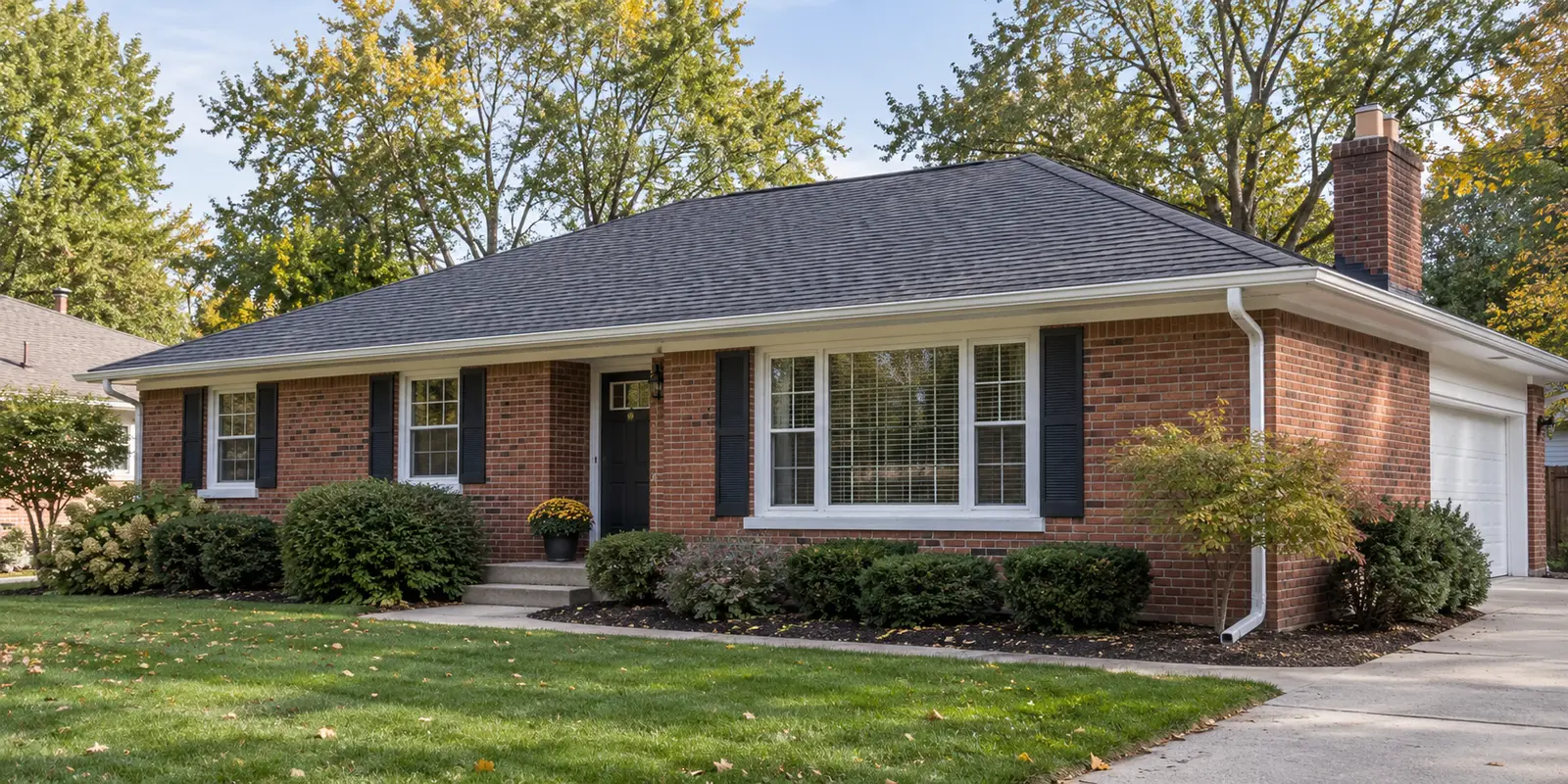
On a brick ranch, a broad roof plane may be easy to identify from the yard. On a two-story colonial or a home with additions, several roof levels can make an unlabeled photograph confusing. The documentation should describe your actual roof, not just show a collection of close-ups.
- Which roof slopes and exterior areas were evaluated?
- Where is each concern, and what does the photograph show?
- Were similar conditions found elsewhere or only in one area?
- Which photos show an observed problem, and which provide general context?
Keep visible findings separate from assumptions
Ask the evaluator to explain the basis for a recommendation in plain language. A stain inside the home does not, by itself, identify the entry point. Likewise, a photograph of a surface mark should come with an explanation of why it matters and whether more investigation is needed.
Useful notes distinguish what was directly observed from what is suspected. If the cause or timing cannot be established from the inspection, that uncertainty belongs in the record. Avoid treating a neighbor's replacement, a storm date, or a single unlabeled photo as a diagnosis for your house. A contractor should explain the condition of your roof on its own evidence.
Document more than the middle of the shingles
Ask whether the evaluation considered roof edges, valleys, penetrations, and transitions to walls, as applicable to your home. These areas help explain how the roofing components work together. Ask which observations relate to shingles and which involve flashing, a vent, a gutter, or an adjacent exterior component.
If there are interior moisture concerns, tell the contractor where and when they appear. Ask whether an interior or attic evaluation is appropriate and what it can establish. An exterior-only visit should not be described as a complete examination of concealed decking or every interior surface.
Explore DeWitt storm-damage inspection and repair services.
Get the inspection limits in writing
A roof evaluation is only as clear as its stated limits. Ask how the roof was viewed and whether height, slope, access, debris, or weather prevented examination of any areas. A ground view or photograph can be useful, but it should not imply that concealed conditions were checked.
Ask what remains unknown and whether another visit or additional evaluation is needed before choosing a scope. If decking cannot be fully assessed until materials are removed, the estimate should explain how any newly discovered work would be documented, priced, and approved. This is a question to resolve before work begins, not an invitation to assume hidden damage exists.
Connect the findings to repair and replacement options
The recommendation should explain why the proposed scope fits the findings. Ask whether a localized repair is practical, why a broader replacement is being recommended if applicable, and what each option would leave unchanged. A lower total is not necessarily a comparable proposal if it addresses a different area or omits related work.
Keep the inspection record with the written estimate. Look for the area of work, materials, relevant flashing or ventilation work, cleanup responsibilities, and a process for handling unexpected conditions. Ask which items are included, excluded, or optional. Coverage varies by package; discuss warranty options with your sales representative and review the written terms for the option you choose.
Use the roof replacement estimate checklist to compare written scopes.
Learn about DeWitt roofing and roof replacement across Southeast Michigan.
Keep project documentation and coverage questions separate
Save the dated photos, inspection notes, estimates, and communications together. If you are considering an insurance claim, ask your insurance company about your policy and the information it needs. A contractor's recommendation does not establish that a claim will be approved or determine your policy's coverage.
GAF's homeowner storm-damage resource also discusses recording visible concerns and seeking a professional assessment. It is a useful general reference, not an assessment of your roof.
Read GAF's homeowner storm-damage resources.
Bring these questions to your DeWitt appointment
Whether your home is in Wayne, Oakland, Macomb, Washtenaw, or another part of Southeast Michigan, the goal is the same: an understandable recommendation tied to the condition of your home. DeWitt serves the wider region, not just one city. Share the observations you already have and ask for a clear explanation of the next step.
- What did you observe, and where can I see it in the photos?
- What could not be inspected, and does that affect the recommendation?
- What are the reasonable options, and why do you recommend this scope?
- How will changes, scheduling, cleanup, and warranty options be explained?
Request a free roofing estimate from DeWitt.
This article provides general information. The condition and requirements of each home are different, and an on-site evaluation is needed for a project-specific recommendation.